
NAPERVILLE, IL – October 09, 2026 – PRESSADVANTAGE –
Lifelong Metabolic Center is outlining how body composition analysis is used inside the Lifelong Metabolic Program, and how those readings differ from scale weight alone. The Naperville center says the figures are collected from the first day of participation and are compared with ranges the center treats as healthy. The same materials say the figures are then used to set category goals and to decide whether weight loss should move faster or slower. The center describes that pacing decision as appropriate for the program. The published pages do not cite an independent clinical study for the pacing claim.
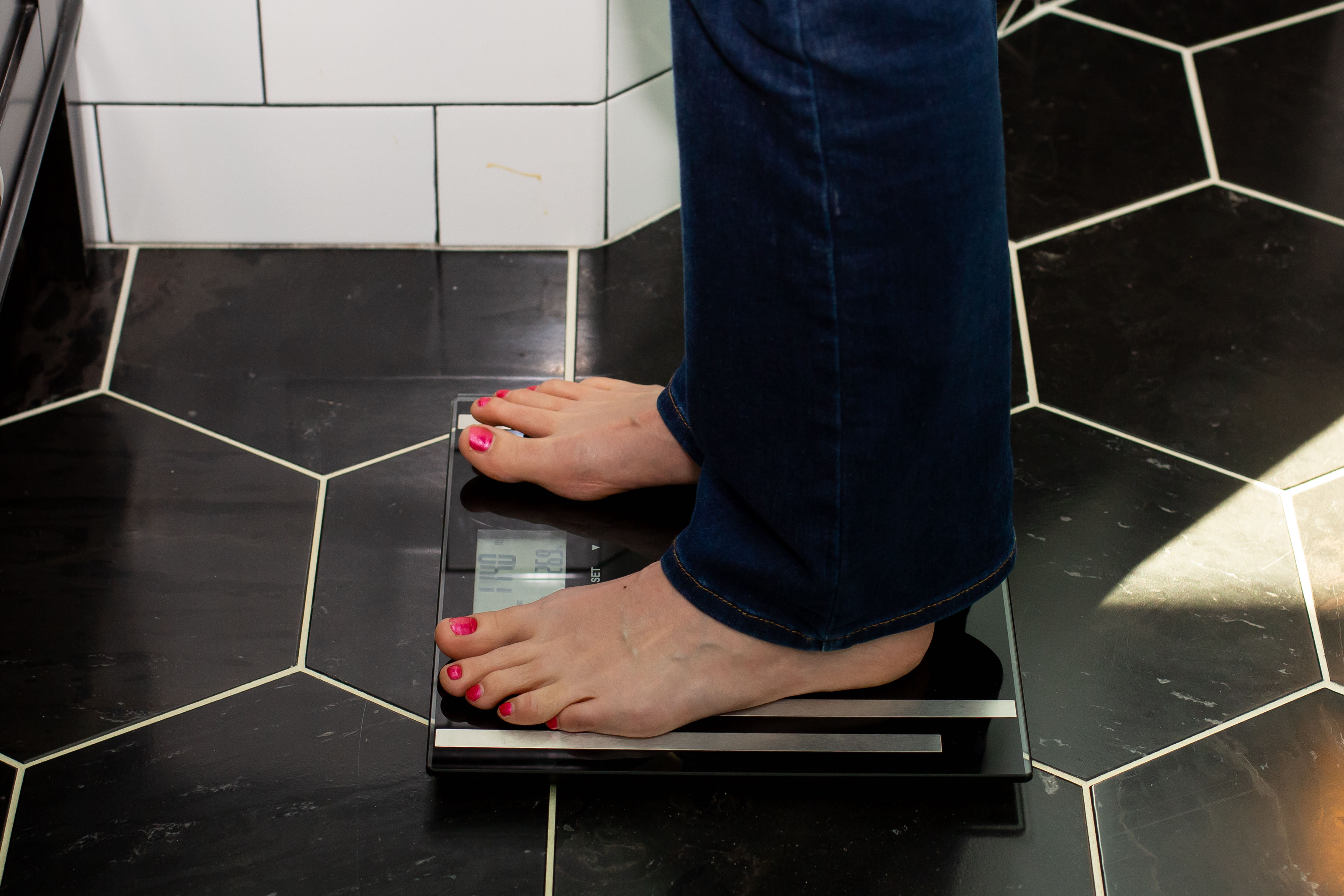
Body composition analysis is defined on the center’s site as information taken from a highly specific scale, including weight, body fat, and muscle mass. Program materials add that computerized body composition analysis is used to measure what the center calls actual fat, muscle, water, and bone weight. The pages do not name the scale, do not describe the estimation method, and do not cite a validation study for those estimates. Bone weight in particular is presented as a scale reading, not as a separately documented clinical measurement. The center states that weight alone is not enough, because the same scale number can reflect different amounts of fat, muscle mass, or water.
The phase structure is where the center says the distinction matters. In the first three phases of the Lifelong Metabolic Program, the stated focus is getting weight to a number the center considers healthy. After those phases, the published description says attention turns to the composition of the body. Weight, body fat, and muscle mass are reviewed at different points rather than treated as one figure. When a metric falls outside the range the center is using, that metric becomes the focus before the next visit. Home measurement charts are provided so the readings can be recorded between consultations. The pages refer to healthy ranges and healthy metrics, but they do not identify the reference standard, population table, or outside guideline used to set those ranges.
The process starts with a consultation by phone or FaceTime with Dr. Amanda Borre, DC, founder of Lifelong Metabolic Center. If the program is determined to be appropriate, the complete kit is shipped to the client’s home. Dr. Borre then recommends a specific scale for at-home body composition analysis and instructs the client on recording weight, body fat, and muscle mass. The center says the measurements can be tracked from anywhere in the country. Communication during the phases runs through daily text, regular phone appointments , and FaceTime consultations.
Dr. Amanda Borre, DC, founder of Lifelong Metabolic Center, explained, “Just seeing a change on the scale doesn’t tell you if that shift is due to fat, muscle, water, or a mix of those. The scale that we recommend for this program actually measures weight, body fat, and muscle mass separately. This way, you can really compare your results against the target ranges we use before making any adjustments to the plan.”
Program length is a center protocol, not a claim that body mass index sets an established clinical timeline. People with a body mass index under 30 are typically recommended the center’s six-month program. People with a body mass index over 30 are typically recommended the center’s one-year program. While most weight is lost within the first 40 days for the 6-month program and most is lost within 4 months for the one-year program, a large emphasis is put on weight maintenance post-loss. Body composition analysis is described as one of the tools used in that choice, alongside the consultation. The six-month option is described as four phases, with daily texts in the first two phases, phone or FaceTime visits on days 21, 41, and 63 during the third phase, and DNA testing with four monthly consultations in the fourth phase. The one-year option includes two rounds of the first three phases and eight monthly consultations in the final phase.
Genetic testing remains a separate input and is not presented as a substitute for the scale readings. Lifelong Metabolic Center states that DNA testing is used when food categories and exercise are discussed for long-term maintenance. A journal records meal plans, exercise scores, foods to limit, and foods to eat daily. Materials also note that reasons for weight gain differ. Stress, lifestyle, prediabetes, diabetes, polycystic ovary syndrome, Hashimoto’s thyroiditis, and hormone issues are among the circumstances listed, and individual history is reviewed at the consultation. The program is offered to men and women and is built around nutritional supplements and lifestyle changes rather than prescription weight-loss medications, injections, or hormones.
###
For more information about Lifelong Metabolic Center, contact the company here:
Lifelong Metabolic Center
Dr. Amanda Borre
(630) 228-1372
dr.amanda.borre@gmail.com
1220 Hobson Rd, Suite 116
Naperville, IL, United States, 60540


