
LAGUNA NIGUEL, United States – October 30, 2026
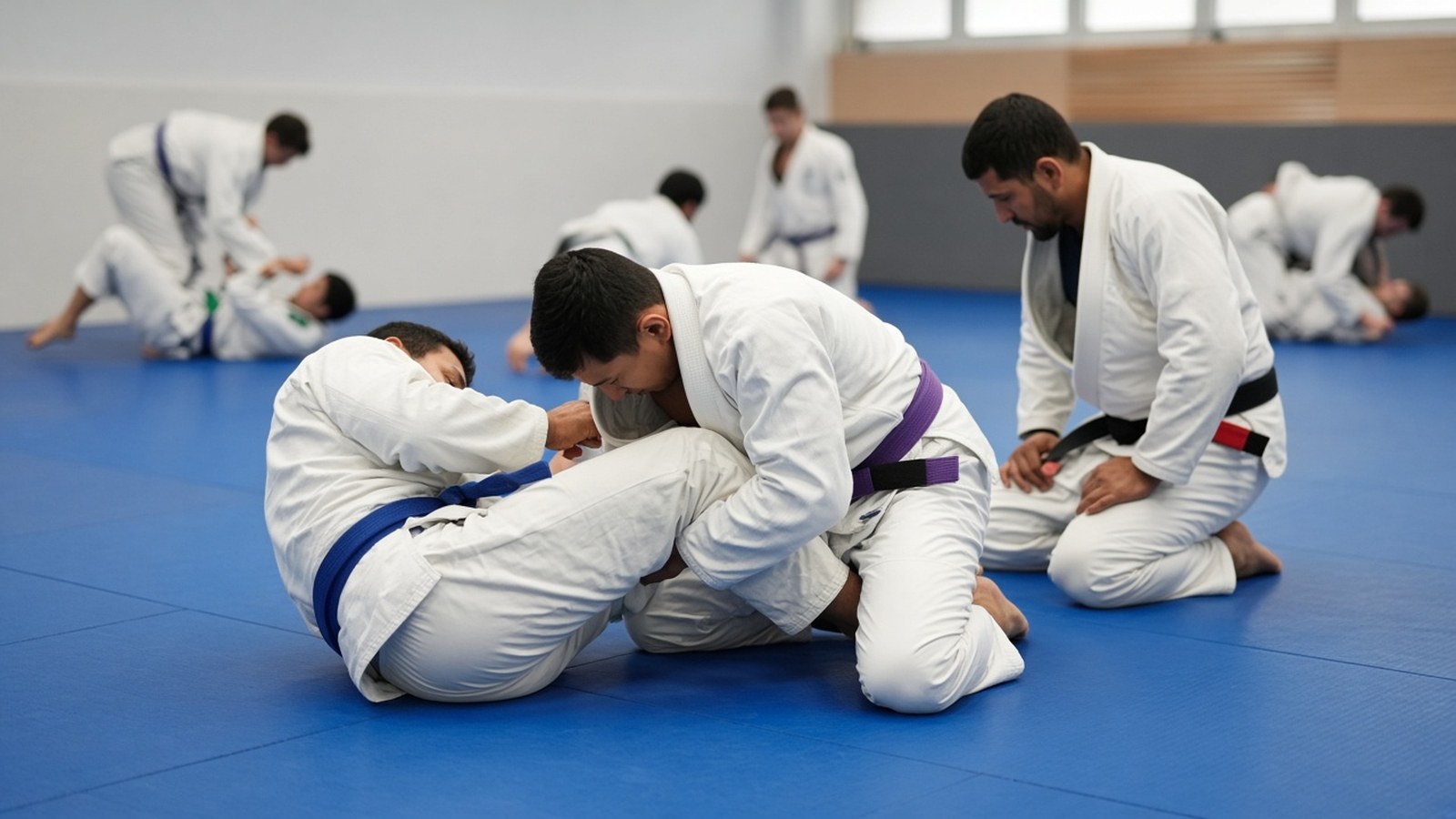
LAGUNA NIGUEL, CA – Optimus Brazilian Jiu-Jitsu has published a guide that explains how the academy tracks student progress through its belt rank and attendance card system. The guide was written by Professor Grant Collins, who owns and operates the academy, for new students and for parents of children in the program.
“At Optimus BJJ, belt rank is not treated like a random reward or a simple attendance prize,” said Grant Collins, owner of Optimus Brazilian Jiu-Jitsu. “It is a structured way to recognize consistency, technical growth, mat awareness, attitude, and readiness for the next stage of training.”
The academy prepared the guide because the belt system can feel unclear to students in their first months of training. The full belt rank guide is available on the Optimus BJJ website and includes a short video showing how the cards are used inside the academy.
According to the guide, the attendance card is a simple progress tool. It gives students a visible record of their mat time, helps instructors see whether a student has had enough exposure to the curriculum and coaching feedback, and supports more organized promotion decisions. It is built around three practical questions for every student: whether they are training consistently enough to improve, whether they are building the technical foundation expected at their level, and which habits will move them toward the next belt or stripe.
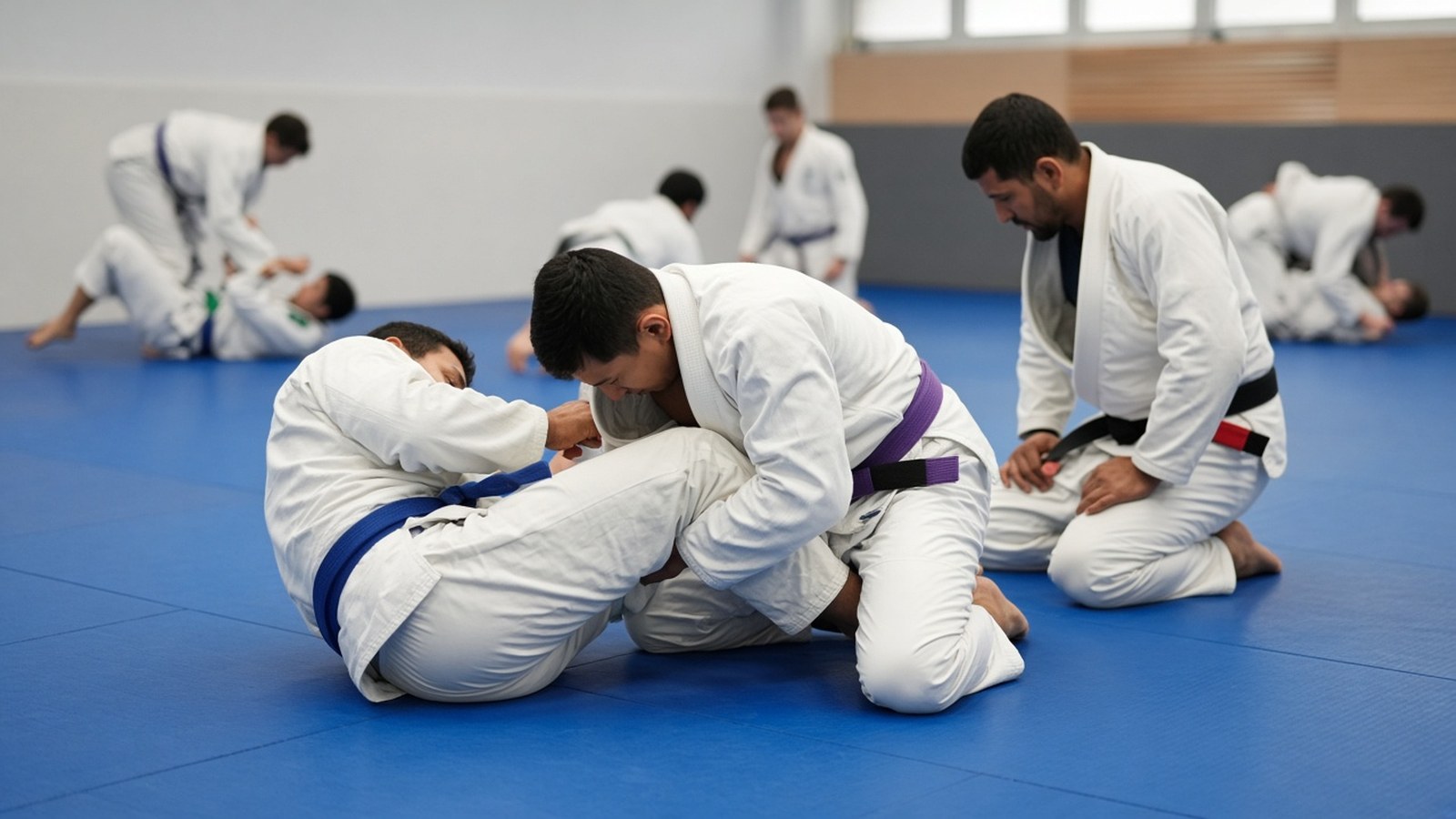
The guide is clear that attendance alone does not guarantee a promotion. Instructors also look at technique, timing, positional understanding, self-control, effort, coachability and how a student treats training partners. Attendance is described as the foundation, while focused practice and good habits build the rest.
Each belt is presented as a stage of understanding rather than a color. A white belt is learning posture, basic escapes and how to move safely, a blue belt begins connecting positions, and purple, brown and black belts reflect deeper timing, strategy and teaching ability.
Students are encouraged to use the card as a personal reminder rather than a race. The guide suggests tracking consistency, noticing momentum, asking a coach which one or two areas need attention when progress feels stuck, and avoiding the urge to collect marks quickly.
For families, the guide explains that cards make consistency visible to children, who often respond well when progress feels concrete. It also reminds parents that every child develops at a different pace and that the belt system should support growth rather than pressure a child to move faster. The guide connects these points to the academy’s kids program.
The guide closes with practical habits for steady progress, such as training two to three times per week as a beginner, writing down one lesson after class, tapping early and protecting partners. Adults who have not yet stepped on the mat can start with the academy’s first class guide, which describes how a typical session flows.
About Optimus Brazilian Jiu-Jitsu
Optimus Brazilian Jiu-Jitsu is a martial arts academy in Laguna Niguel, California, owned and operated by Professor Grant Collins. The academy offers Brazilian Jiu-Jitsu classes for adults and children, along with no-gi and mixed martial arts training. More information is available at https://optimusbjj.com/.
Media Contact
Grant Collins
info@optimusbjj.com
+1 949-481-2511
Content provided by Optimus Brazilian Jiu-Jitsu.


