
Key Takeaways
- Buoy 10 and Astoria are popular destinations for fall Chinook and Coho as salmon enter the Columbia River from the Pacific.
- Hanford Reach offers opportunities to target fall Chinook in the upper Columbia River.
- Bonneville Dam and Drano Lake are among the areas anglers consider for spring Chinook fisheries.
- Timing matters: Salmon runs, fishing conditions and permitted catches vary by season and year.
- Check current regulations before travelling, as fishing seasons, retention rules and access restrictions can change.
- Consider a professional guide: Local knowledge, supplied equipment and practical instruction can help anglers navigate the Columbia’s changing conditions.
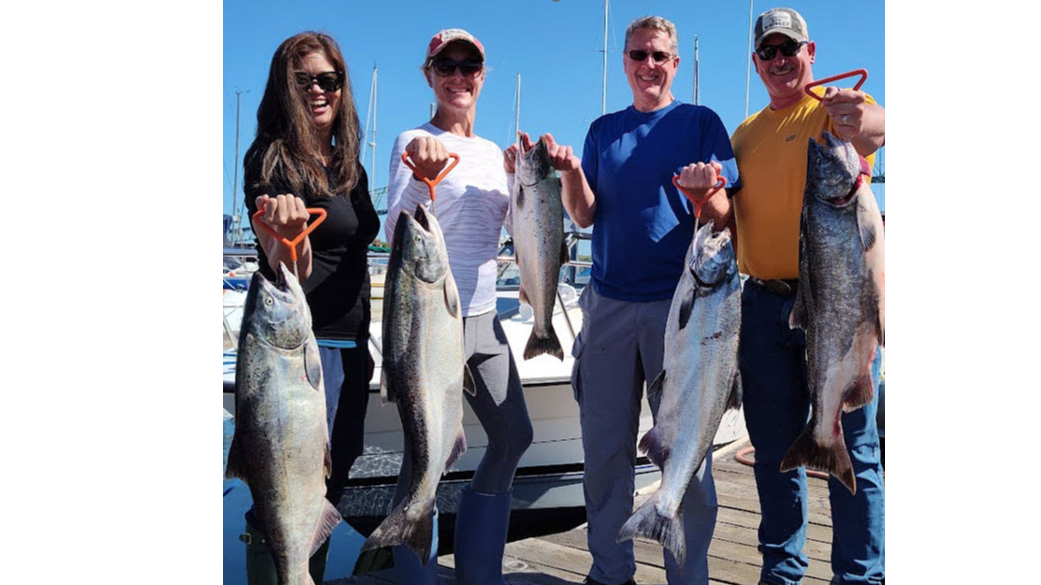
The Columbia River is one of the Pacific Northwest’s best-known salmon fishing destinations, attracting anglers pursuing Chinook, Coho and Sockeye. Stretching from the Pacific coast through Oregon and Washington, the river offers different fishing opportunities throughout the year, depending on salmon migration patterns, water conditions and seasonal regulations.
Choosing the right location is an important part of planning a trip. From the lower river near Astoria to the productive waters around the Hanford Reach, understanding where salmon travel and when particular runs arrive can help anglers prepare for a more rewarding day on the water. Here’s where the local angling pros at Reel Time Fishing spend their weekends landing slab and tyee.
Buoy 10 and Astoria: Fall Chinook and Coho
The Buoy 10 area near Astoria, Oregon, is a major destination for fall salmon fishing. Located near the mouth of the Columbia River, this stretch intercepts salmon as they enter freshwater on their migration upstream. Chinook, also known as king salmon, are a primary target, while Coho provide another seasonal opportunity.
Fishing conditions here can change with the tides, currents and movement of the fish. Knowing how to identify productive channels and adjust fishing techniques to the conditions can make a difference. The area is particularly popular during late summer and early fall, although actual fishing opportunities depend on annual run timing and regulations.
Hanford Reach: Upper Columbia River Salmon
Further upriver, the Hanford Reach in Washington offers another option for anglers targeting fall Chinook. This free-flowing section of the Columbia is known for its salmon migration and spawning habitat, making it an important part of the river’s fall fishery.
Fishing methods can change as the season progresses. When salmon are moving through the area, trolling can help anglers cover water. As fish settle near spawning habitat, techniques may shift to more targeted presentations. Water levels and fish behavior also affect where and how guides approach a trip.
Because the Hanford Reach has its own seasonal patterns, checking current fishing reports and regulations is essential before planning a visit.
Bonneville Dam and the Mid-Columbia River
The stretch of river around Bonneville Dam and upstream toward John Day Dam offers additional salmon fishing opportunities, particularly during spring runs. Chinook are a key target during this period, with locations and techniques varying according to the fishery.
Nearby Drano Lake, on the Washington side of the Columbia system near Hood River, is another destination for spring Chinook. Its connection to the Little White Salmon River makes it a recognized location for anglers pursuing returning salmon.
These fisheries can be highly seasonal, and access alone does not guarantee that salmon retention will be permitted. Regulations may differ between locations and change during the season, so anglers should confirm the rules for their intended fishing area.
When Is the Best Time to Fish the Columbia River?
Spring and fall offer different opportunities. Spring Chinook fisheries generally attract anglers earlier in the year, while the lower Columbia’s fall season is associated with Chinook and Coho moving upriver from the Pacific. The timing and strength of each run vary annually.
The Oregon Department of Fish and Wildlife publishes seasonal announcements and regulation updates for Columbia River salmon fisheries. Anglers should consult professional guides and the ODFW Columbia River fishing information, as well as the relevant Washington Department of Fish and Wildlife guidance, before setting a date. Seasons, catch limits and permitted areas should never be assumed to remain the same from one year to the next or even from one stretch of the river to the next.
Why Consider a Professional Columbia River Fishing Guide?
The Columbia River’s size and changing conditions can make choosing a fishing location challenging, particularly for visitors unfamiliar with the river. Professional guides bring local knowledge of seasonal salmon movements, fishing techniques and on-water conditions, helping anglers make informed decisions throughout the trip.
Selecting a guided salmon trip across the Columbia River system, targeting species including Chinook, Coho and Sockeye according to the location and season can get the best value out of any fishing trip. Equipment, including rods, reels and bait, is usually provided, and some guides will even clean and fillet the catch for you.
For anglers planning a first trip or returning to target a particular salmon run, a guided outing offers a practical way to explore the river with experienced support.
Reel Time Fishing
toby@reeltimefishing.com
+1 208 790 2128
2131 Critchfield Rd
Clarkston
Washington
99403
United States


