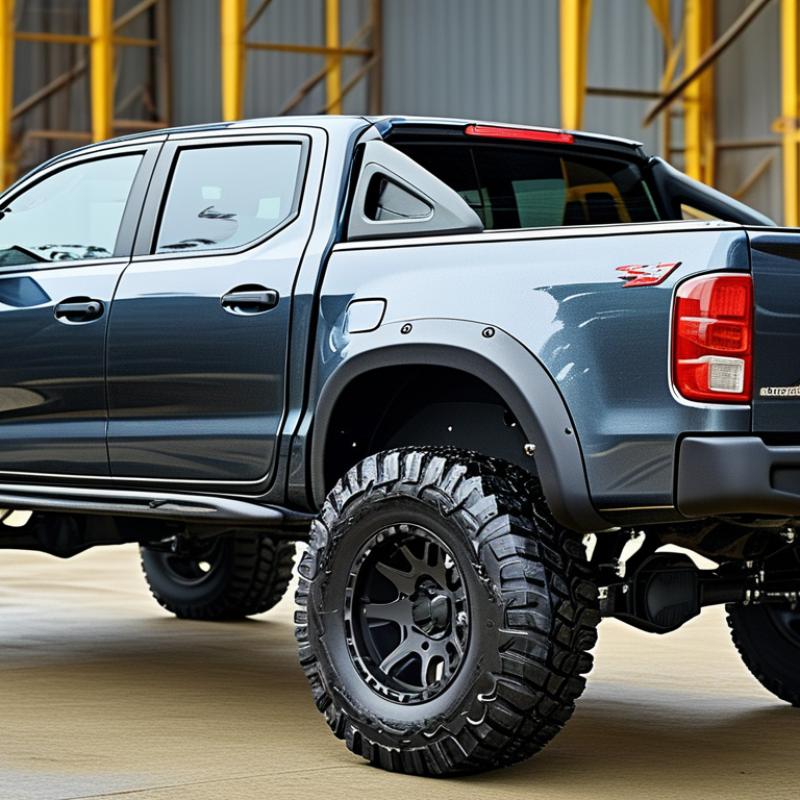
FOSHAN, GUANGDONG, CHINA, September 21, 2026 /EINPresswire.com/ — Picking out the right Pickup Truck Roll Bar really starts with understanding how you actually use your truck. If you’re mostly hauling stuff on weekends, you’ll need different protection and storage options compared to someone who’s using their truck for work every day and carrying tools. Things like bed length, cab style, how much weight you’re hauling, and available mounting spots all come into play. And honestly, a roll bar should fit your truck perfectly—not just look tough in pictures. A big, shiny photo isn’t enough—fit matters. Before you pick a model, grab a tape measure and note down the bed width, rail height, and where you can mount it. Don’t forget to check if the bar has reinforced brackets, is made of corrosion-resistant steel, or is just lightweight aluminum—that actually makes a difference. Also, pay attention to weld quality—look at how clean the joints are and whether you can easily access the bolts. Bad alignment can cause stress during installation and might even mess up things like your tonneau cover, bed racks, or rear lights.
Plus, tiny details can become real headaches later on. Think about how you’ll use the truck day-to-day—loading ladders, securing bikes, driving in heavy rain—and ask yourself if the bar supports your accessories without blocking your view. Make sure the design matches your truck’s factory setup too. It’s always a good idea to review your vehicle’s manual and installation instructions beforehand. Sometimes, if drilling or structural mods are needed, going to a pro makes sense. But don’t fall into the trap of thinking that the most expensive model automatically means better quality—that’s a common mistake. Instead, look at the material strength, whether fitment has been tested, how clear the warranty details are, and if replacement parts are easy to find. At the end of the day, a good choice balances safety, functionality, looks, and long-term upkeep. This guide is here to help you ask the right questions, but keep in mind—product quality can differ between batches and suppliers. Always double-check current specs before making your purchase.
Define the Roll Bar’s Role: Styling, Cargo Support, or Rollover Protection
A pickup truck roll bar should begin with its intended job, not its appearance. For styling, a light tubular bar can add visual height and match existing bed rails. It may offer no meaningful rollover protection. That distinction matters. NHTSA’s Traffic Safety Facts reports that rollover crashes remain a major source of passenger-vehicle occupant fatalities. A decorative bar should never be presented as a certified safety cage.
For cargo support, examine the Multi-Function Pickup Roll Bar’s rated load, mounting points, and bed structure. A bar holding a roof tent, recovery boards, or long timber needs controlled loading, not guesswork. Check the instructions for static and moving loads. Braking changes everything. A 50-kilogram load can create much higher forces during sudden deceleration. In practical inspections, loose fasteners and crushed bed rails appear more often than expected. Recheck torque after the first loaded trip. Small details matter.
Rollover protection demands stricter evidence. Look for documented material specifications, structural testing, weld quality, and compatibility with the vehicle’s restraint systems. IIHS research consistently links a pickup’s higher center of gravity with greater rollover susceptibility, but an aftermarket bar does not automatically reduce that risk. It might even interfere with airbags, rear visibility, or emergency access. I would question any product relying mainly on thick steel and aggressive styling. That is not enough. Consider the actual use: highway hauling, uneven trails, or occasional display. The right choice may be less attractive, but more honestly matched to the job.
Match Tubing to ASTM A500 Grade B Steel: 46 ksi Yield Strength
How to Choose the Right Pickup Truck Roll Bar?
ASTM A500 Grade B steel is a practical starting point for a pickup truck roll bar. Its specified 46 ksi minimum yield strength gives the tubing a measurable structural benchmark. However, yield strength alone does not determine safety. Tube diameter, wall thickness, bend quality, and mounting design also control performance.
Measure the truck bed before choosing the tubing. A bar that sits too close to the cab can transfer impact forces poorly. Check the base plates, fasteners, and contact areas for clear load paths. Welds deserve equal attention. Uneven heat or incomplete penetration can weaken an otherwise suitable tube. Small details matter.
Do not judge strength by appearance.
A reliable fabricator should verify the material grade through mill certificates or traceable test records. They should also inspect bends for flattening and cracks. I have seen attractive frames with weak mounting points; the visual design created false confidence. That mistake is easy to repeat. An engineer should review expected loads, attachment points, and vehicle use before fabrication. ASTM A500 Grade B may meet the 46 ksi requirement, but the finished assembly still needs consistent workmanship and practical testing.一本道高清无码
Size the Structure Within the Truck’s Payload and GAWR Ratings
Choosing the right Pickup Roll Bar starts with the truck’s payload and GAWR ratings. The structure is not free capacity. Its weight, mounts, hardware, occupants, tools, fuel, and tongue load all count against the available payload. Check the certification label inside the driver’s door. Then compare the proposed bar weight with the remaining allowance. A 90-kilogram structure can consume capacity quickly.
GAWR must be checked separately for the front and rear axles. A bar mounted behind the cab may shift weight toward the rear axle. That can create an overload before the truck reaches its total GVWR. SAE J2807 recommends standardized methods for evaluating vehicle weight and trailer performance. Its approach supports careful, measured loading rather than visual guesses. NHTSA’s 2022 Traffic Safety Facts recorded 5,837 deaths in crashes involving large trucks. That figure does not describe pickup roll bars directly, but it reinforces conservative load planning. The uncomfortable detail is easy to miss: a strong-looking bar may still be poorly sized.
Tips:
Weigh the truck in operating condition. Measure front and rear axle loads separately. Keep each value below its GAWR. Ask the fabricator for material weight, mounting details, and design assumptions. Inspect clearance around the cab, bed, lights, and emergency access. Recheck after adding a spare tire or recovery equipment. Small errors accumulate. A second measurement is worthwhile.
Engineer Mounts With SAE Grade 8 Fasteners Rated Up to 150 ksi
Choosing among Pickup Roll Bar Designs requires more than checking tube diameter or visual strength. The mount is the critical load path. SAE J429 classifies Grade 8 fasteners with a minimum tensile strength of 150 ksi and a minimum yield strength near 130 ksi. That rating describes the fastener, not the complete assembly. Thin bed walls, undersized washers, or poorly aligned brackets can still fail first.
Use thick mounting plates with broad load distribution. Measure the bed structure before drilling. NASA-RP-1228, the Fastener Design Manual, explains that friction strongly affects torque-based preload. Clean threads, consistent lubrication, and calibrated tools therefore matter. A torque wrench alone does not guarantee equal clamping force. Small details matter.
Field inspection practice also follows guidance from the Federal Highway Administration’s steel connection resources. Inspectors look for bolt slippage, hole elongation, corrosion, and joint movement. The same checks suit a pickup installation. After fitting, mark each fastener, drive over uneven ground, and recheck the marks. Loose paint around a washer deserves attention. So does a faint metallic creak.
Grade 8 hardware offers useful strength, but it is not a safety certificate. I would also verify bracket thickness, weld quality, edge distance, and bed reinforcement. A perfect bolt cannot rescue a weak mounting surface. That is the part people often overlook. Real installations are rarely perfect, and that deserves honest review.
Check Roof Clearance Against FMVSS 216 Strength Requirements
How to Choose the Right Pickup Truck Roll Bar?
Check roof clearance before judging a pickup truck roll bar. FMVSS No. 216a evaluates roof-crush resistance, not roll-bar installation. Its laboratory test pushes a rigid plate against the roof at a controlled speed. For many light vehicles, the required force reaches three times the vehicle’s unloaded weight. The exact requirement depends on vehicle class, weight, and manufacturing date. Verify the applicable regulation.
A roll bar should not contact the cab roof during normal driving. Leave practical clearance for suspension movement, frame flex, and loaded-road impacts. Measure from the highest roof point to the bar, including padding and mounting hardware. A small gap can disappear when the truck carries heavy cargo. That mistake is easy to make. The Insurance Institute for Highway Safety uses roof-strength-to-weight ratios when comparing crash protection, but its ratings do not approve aftermarket equipment. NHTSA’s FMVSS 216a documents remain the stronger regulatory reference.
Tips:
Measure the truck unloaded and loaded. Check clearance with the suspension compressed. Inspect bed movement after installation. Use the vehicle’s certified weight data, not an estimate. Ask a qualified engineer to review mounting points and load paths. A bar can look strong yet transfer force poorly. I would avoid treating “passes a roof test” as proof of compatibility. FMVSS testing covers a defined vehicle structure, not every accessory combination. Recheck the fit after several trips. Fasteners settle, and measurements can change.
Verify Lighting and Visibility Compliance Under FMVSS 108
How to Choose the Right Pickup Truck Roll Bar?
When choosing a pickup truck roll bar, check its effect on every required lamp. FMVSS 108 covers lighting, signaling, and reflective devices on road vehicles. A bar should not hide tail lamps, stop lamps, turn signals, the center high-mounted stop lamp, or the license-plate lamp.
Measure the truck with the bar installed. Check it from straight behind, from both rear corners, and from normal following distances. Look for interference at night, during daylight, and when the bed carries equipment. Some bars include auxiliary lights, but extra lighting does not automatically correct blocked original lamps. The lamp’s position, color, intensity, and visibility angles still matter.
A practical installation check should include wiring, lamp alignment, and secure fasteners. The bar must not create glare or cast shadows across required signals. Review the current FMVSS 108 requirements and the vehicle manufacturer’s installation guidance. Requirements can vary with vehicle configuration and production date. Do not rely only on a product photograph or a seller’s compliance claim.
One common mistake is checking the bar before loading the truck. Suspension movement can change lamp visibility. Recheck it after installation. A second inspection is worthwhile. If visibility remains uncertain, ask a qualified vehicle lighting professional to document the measurements and confirm the setup before regular road use.
Inspect Welds and Corrosion Protection Using ISO 5817 Quality Criteria
How to Choose the Right Pickup Truck Roll Bar?
When choosing an Off-Road Pick Up Truck Roll Bar, inspect the welds before admiring the shape. A smooth surface is not enough. Check for cracks, undercut, overlap, uneven bead width, and visible pores. A small flashlight helps reveal dark pinholes around mounting plates. Clean welds should connect evenly, without sudden gaps or sharp crater marks.
ISO 5817 provides quality levels B, C, and D for imperfections in fusion-welded joints. Level B is the most demanding, while Level D allows more imperfections. The required level depends on the bar’s design, loading, and intended use. Ask for the applicable inspection record, not only a factory photograph. A qualified inspector should compare weld size, profile, and discontinuities with the drawing and ISO 5817 criteria. Visual inspection is useful, but it cannot reveal every internal defect.
Corrosion protection deserves equal attention. Look beneath brackets, inside tube ends, and around drain holes. Coating should cover the steel continuously, especially beside weld toes. Exposed heat-affected zones can rust first. I once saw a nearly perfect-looking assembly with water trapped inside one capped tube. It looked fine. It was not. Check coating adhesion, chipped edges, galvanic contact, and damaged fastener areas after installation. A better finish may still fail if water cannot escape. Think about maintenance access, too. That detail is often missed.
TK-06 Aluminum Pickup Truck Canopy Hardtop: Features, Benefits, and Buying Guide
Aluminum Black Cover Pickup Truck Canopy Hard Shape Hardtop with Locking & Waterproof Function TK-06 (2).jpg
China Factory Suppliers TK-06 Aluminum Pickup Truck Canopy Hardtop – Waterproof, Lockable Design for Trucks
The TK-06 aluminum pickup truck canopy hardtop is designed for drivers who need secure storage, weather protection, and added versatility for camping, touring, work, or everyday travel. Constructed from high-quality 6063-grade aluminum, it combines a strong yet practical structure with a durable black powder-coated finish. The streamlined appearance can complement different pickup styles while helping protect tools, luggage, and outdoor equipment from dust, rain, and changing weather conditions.
One of its key advantages is its impressive roof load capacity: up to 300 kg when stationary and 125 kg while driving. This makes the canopy suitable for carrying roof racks, camping equipment, or other properly secured accessories. Its robust construction is built to handle demanding outdoor conditions, while the enclosed design provides improved security compared with an open truck bed. Buyers should confirm the canopy’s dimensions, mounting system, vehicle compatibility, and required installation hardware before ordering.
When selecting the TK-06, consider how it will be used and whether the available internal space meets your storage requirements. Check the pickup model and bed configuration carefully, as correct fitment is essential for stability and weather resistance. A quality powder-coated surface, reliable seals, sturdy mounting points, and straightforward maintenance can also improve long-term satisfaction. With its balance of strength, functionality, and clean styling, this aluminum hardtop is a practical upgrade for both professional transport and recreational adventures.
Conclusion
Choosing the right Pickup Truck Roll Bar starts with defining its purpose: visual enhancement, cargo support, rollover protection, or a combination of these functions. The design should use properly specified tubing, such as ASTM A500 Grade B
Foshan TCAL Aluminum Co., Ltd.
Foshan TCAL Aluminum Co., Ltd.
+86 135 3443 7294
jackyin5858@gmail.com
Legal Disclaimer:
EIN Presswire provides this news content “as is” without warranty of any kind. We do not accept any responsibility or liability
for the accuracy, content, images, videos, licenses, completeness, legality, or reliability of the information contained in this
article. If you have any complaints or copyright issues related to this article, kindly contact the author above.

Media gallery